
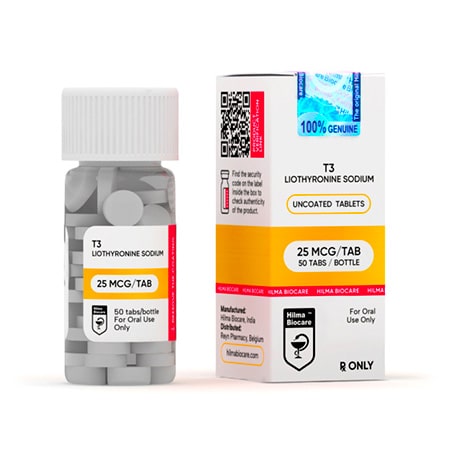
LIOTHYRONINE SODIUM T3 (25 MCG/tab. – 50 TABS) – Hilma biocare
$ 23.66
Liothyronine sodium (T3) is not an anabolic steroid. It’s a synthetic (man-made) version of one of the two hormones made by the thyroid gland, triiodothyronine. It is used for treating individuals who are hypothyroid (do not produce enough thyroid hormones). Thyroid hormones increase the metabolism (activity) of all cells in the body. In the fetus, newborn infant and child, thyroid hormones promote growth and development of tissues. In adults, thyroid hormones help to maintain the function of the brain, the use of food by the body, and body temperature. Bodybuilders are particularly attracted to this drug for its ability to burn off body excess fat. Most often utilized during contest preparation, one can greatly decrease the amount of stored fat without being forced to severely restrict calories. To this end liothyronine sodium is commonly used in conjunction with Clenbuterol and can produce extremely dramatic results. DESCRIPTION Liothyronine sodium (T3) is not an anabolic steroid. It’s a synthetic (man-made) version of one of the two hormones made by the thyroid gland, triiodothyronine. It is used for treating individuals who are hypothyroid (do not produce enough thyroid hormones). Thyroid hormones increase the metabolism (activity) of all cells in the body. In the fetus, newborn infant and child, thyroid hormones promote growth and development of tissues. In adults, thyroid hormones help to maintain the function of the brain, the use of food by the body, and body temperature. Bodybuilders are particularly attracted to this drug for its ability to burn off body excess fat. Most often utilized during contest preparation, one can greatly decrease the amount of stored fat without being forced to severely restrict calories. To this end liothyronine sodium is commonly used in conjunction with Clenbuterol and can produce extremely dramatic results. CLINICAL PHARMACOLOGY Since liothyronine sodium (T3) is not firmly bound to serum protein, it is readily available to body tissues. The onset of activity of liothyronine sodium is rapid, occurring within a few hours. Maximum pharmacologic response occurs within 2 or 3 days, providing early clinical response. The biological half-life is about 2-1/2 days. T3 is almost totally absorbed, 95 percent in 4 hours. The hormones contained in the natural preparations are absorbed in a manner similar to the synthetic hormones. Liothyronine sodium (T3) has a rapid cutoff of activity which permits quick dosage adjustment and facilitates control of the effects of overdosage, should they occur. INDICATIONS Liothyronine is used to treat hypothyroidism (low production of thyroid hormone) in adults and children. Prolonged hypothyroidism can result in a condition called myxedema in which patients develop swollen lips, thickened nose, and unusual deposits of material in the skin that are dry and waxy. These deposits also may appear in body tissues other than the skin. Liothyronine also is used for suppressing production of thyroid stimulating hormone in patients with goiters and for testing how well the thyroid gland is functioning. ADVERSE REACTIONS Adverse reactions, other than those indicative of hyperthyroidism because of therapeutic overdosage, either initially or during the maintenance period are rare (see overdosage). In rare instances, allergic skin reactions have been reported with Liothyronine Sodium Tablets, USP. CONTRAINDICATIONS Thyroid hormone preparations are generally contraindicated in patients with diagnosed but as yet uncorrected adrenal cortical insufficiency, untreated thyrotoxicosis and apparent hypersensitivity to active or extraneous constituents. There is no well-documented evidence from the literature, however, of true allergic or idiosyncratic reactions to thyroid hormone. PRECAUTIONS Thyroid hormone therapy in patients with concomitant diabetes mellitus or insipidus or adrenal cortical insufficiency aggravates the intensity of their symptoms. Appropriate adjustments of the various therapeutic measures directed at these concomitant endocrine diseases are required. DRUG INTERACTIONS Oral Anticoagulants: thyroid hormones appear to increase catabolism of vitamin Kdependent clotting factors. If oral anticoagulants are also being given, compensatory increases in clotting factor synthesis are impaired. Patients stabilized on oral anticoagulants who are found to require thyroid replacement therapy should be watched very closely when thyroid is started. If a patient is truly hypothyroid, it is likely that a reduction in anticoagulant dosage will be required. Insulin or Oral Hypoglycemics: initiating thyroid replacement therapy may cause increases in insulin or oral hypoglycemic requirements. Patients receiving insulin or oral hypoglycemics should be closely watched during initiation of thyroid replacement therapy. Digitalis: thyroid preparations may potentiate the toxic effects of digitalis. Thyroid hormone replacement increases metabolic rate, which requires an increase in digitalis dosage. Ketamine: when administered to patients on a thyroid preparation, this parenteral anesthetic may cause hypertension and tachycardia. Use with caution and be prepared to treat hypertension, if necessary. Vasopressors: thyroxine increases the adrenergic effect of catecholamines such as epinephrine and norepinephrine. Therefore, injection of these agents into patients receiving thyroid preparations increases the risk of precipitating coronary insufficiency, especially in patients with coronary artery disease. Careful observation is required. DOSAGE AND ADMINISTRATION Recommended starting dosage is 25 mcg daily. Daily dosage then may be increased by up to 25 mcg every 1 or 2 weeks. Usual maintenance dose is 25 to 75 mcg daily. Usually, the maximum dose for men shy of 100 micrograms per day, It’s not recommended to use more than 50 mcg per day for women. OVERDOSAGE Signs and Symptoms: headache, irritability, nervousness, sweating, arrhythmia (including tachycardia), increased bowel motility and menstrual irregularities. Angina pectoris or congestive heart failure may be induced or aggravated. Shock may also develop. Massive overdose may result in symptoms resembling thyroid storm. Chronic excessive dosage will produce the signs and symptoms of hyperthyroidism. Treatment Of Overdosage: dosage should be reduced or therapy temporarily discontinued if signs and symptoms of overdosage appear. Treatment may be reinstituted at a lower dosage. In normal individuals, normal hypothalamic-pituitary- thyroid axis function is restored in 6 to 8 weeks after thyroid suppression. PRESENTATION Liothyronine Sodium (T3) 25 mcg uncoated tablets: 50 tablets in 1 bottle. STORAGE Store in a cool dry place between 15 – 25°C. Protect from light.
 Nutrex L-Carnitine 3000 – 480ml
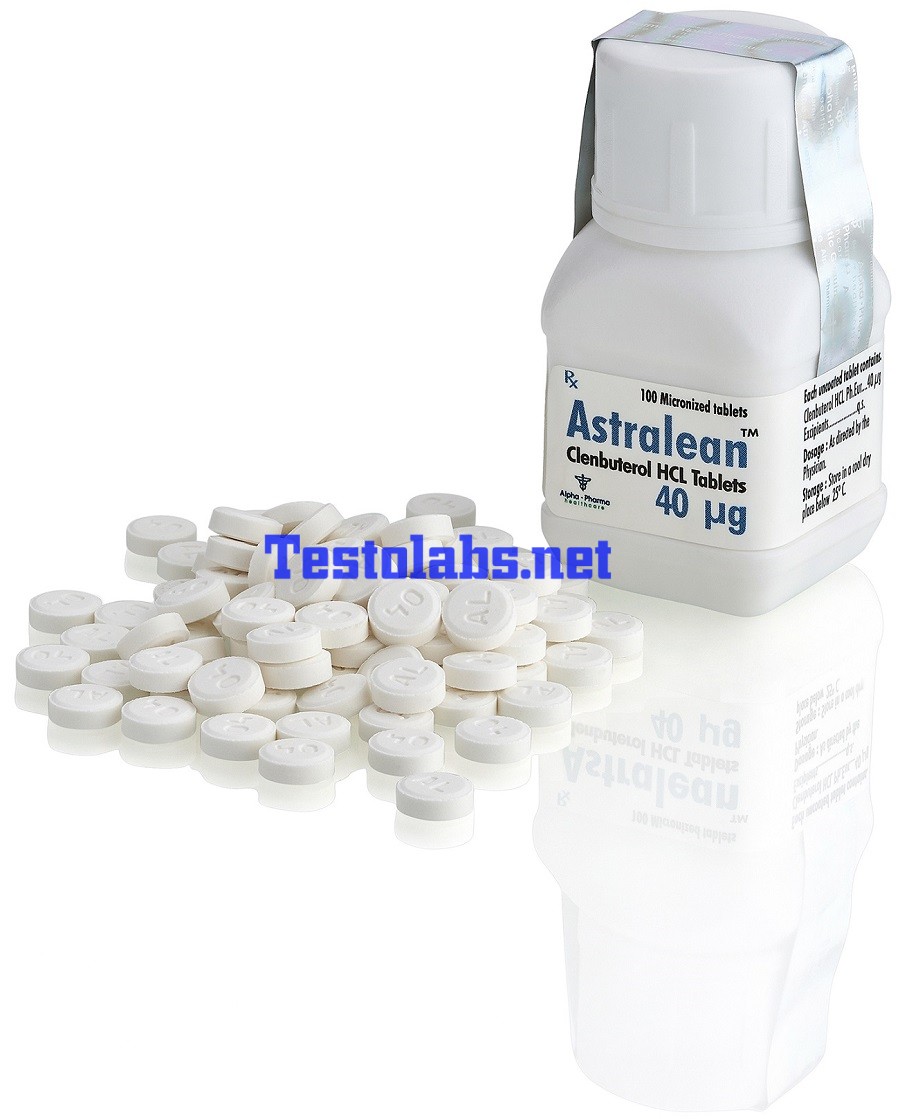 Astralean Clenbuterol HCL microtabs 40mcg 100tabs – Alpha pharma
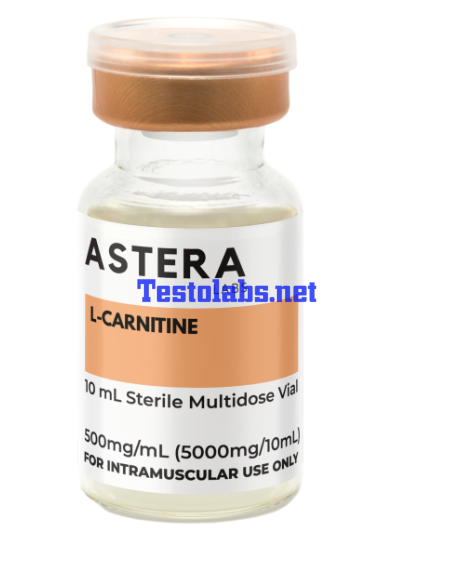 L-Carnitine 500mg/10ml Astera Labs
 Lipo 6 Black 60 caps